Beginner Tips for Composting at Home: Easy Steps to Get Started
Discover simple, effective tips for starting a compost bin at home and turning kitchen scraps into nutrient-rich soil for your garden.
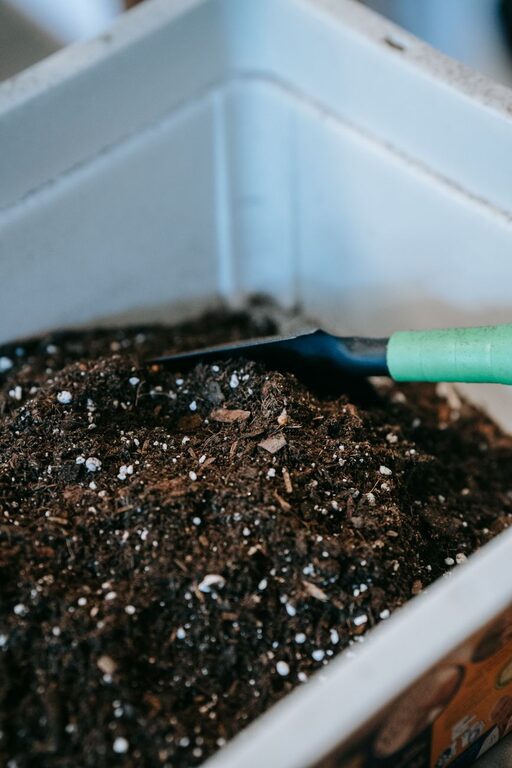
Composting at home is a fantastic way to reduce waste and create nutrient-rich soil for your garden. If you’re new to composting, it might seem a bit confusing at first, but with a few simple tips, you can get started quickly and easily. This guide will walk you through the basics of composting, what materials to use, and how to maintain your compost pile for the best results.
What Is Composting?
Composting is a natural process where organic materials like food scraps and yard waste break down into a rich, dark soil amendment called compost. This compost can be added to gardens, pots, or lawns to improve soil health, retain moisture, and provide essential nutrients to plants.
Why Compost at Home?
– Reduces landfill waste: Composting diverts a significant amount of organic waste from landfills.
– Improves soil quality: Homemade compost enriches garden soil with valuable nutrients.
– Saves money: Reduce the need to buy commercial fertilizers.
– Supports plants: Healthy soil promotes stronger plant growth.
Getting Started: Choose Your Composting Method
There are several ways to compost at home. Choose one that fits your space, lifestyle, and preferences.
1. Traditional Compost Bin
A compost bin collects and contains scraps in a dedicated area. Bins can be purchased or homemade from wood or plastic.
2. Compost Tumbler
A compost tumbler is a rotating container that makes mixing easier and speeds up decomposition.
3. Worm Composting (Vermicomposting)
Using worms to break down food scraps inside a bin is perfect for small spaces and indoor composting.
4. Trench Composting
This simple method involves burying scraps directly in your garden soil, where they will decompose naturally.
What Can You Compost?
Successful composting depends on balancing two types of materials:
Browns (Carbon-Rich Materials)
– Dry leaves
– Straw or hay
– Cardboard and paper (shredded)
– Wood chips
– Sawdust
Greens (Nitrogen-Rich Materials)
– Fruit and vegetable scraps
– Coffee grounds and filters
– Fresh grass clippings
– Eggshells (crushed)
– Tea bags (ensure they are compostable)
Avoid composting meat, dairy, oily foods, diseased plants, or pet waste as they can attract pests or cause odors.
Step-by-Step Guide to Starting Your Compost
Step 1: Select a Location
Pick a spot with good drainage, partial sunlight, and easy access, such as a corner of your yard or balcony.
Step 2: Prepare Your Bin
Place the bin on soil rather than concrete to allow helpful organisms to enter. Ensure your bin has good airflow.
Step 3: Start Layering
Begin with a layer of coarse materials like small branches or straw to help with drainage.
Step 4: Add Browns and Greens
Alternate layers of browns and greens, aiming for roughly a 3:1 ratio of browns to greens. This balance helps maintain the right temperature and moisture level.
Step 5: Maintain Your Compost
– Turn regularly: Use a garden fork or compost aerator to mix your pile every 1-2 weeks.
– Monitor moisture: The compost should feel like a damp sponge. Add water if too dry or more browns if too wet.
– Be patient: Composting can take a few months to a year depending on conditions.
Common Composting Questions
How Do I Know When Compost Is Ready?
Finished compost should be dark, crumbly, and smell earthy, without recognizable food scraps.
Can I Compost in Winter?
Yes! Composting may slow down in cold weather but continues to break down materials over time.
How Do I Prevent Odors or Pests?
Avoid adding meat, dairy, or oily foods. Keep your compost moist but not soggy and turn it regularly to aerate.
Tips for Success
– Chop or shred materials to speed decomposition.
– Collect kitchen scraps in a small container to reduce trips.
– Use a mesh cover to keep out animals.
– Add finished compost to garden beds in spring or fall for best results.
Conclusion
Composting at home is a simple, rewarding way to reduce waste and enhance your garden. By following these beginner tips, you’ll create healthy compost that benefits your plants and the environment. Start small, be patient, and soon you’ll enjoy the satisfaction of turning everyday scraps into garden gold!
Happy composting!